

Find the Best Insurance Deals!
California Auto Insurance Guide: Your Rights and Financial Responsibility Laws
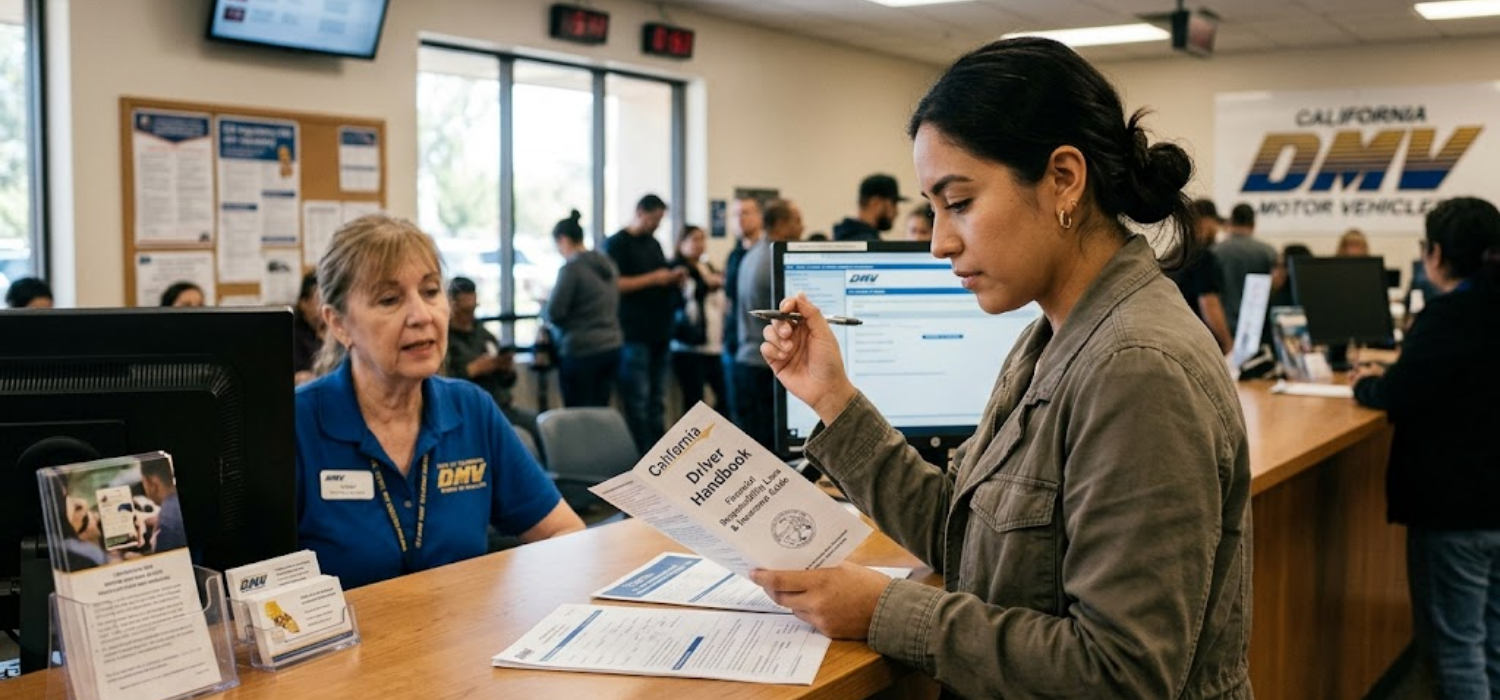
California Auto Insurance Guide: Understanding Your Rights and Financial Responsibility Laws
Driving along California’s scenic highways—whether it is the iconic Pacific Coast Highway or the bustling freeways of Los Angeles—presents an incredible sense of freedom. However, with that freedom comes a critical legal and financial obligation. Automobile insurance is more than just a monthly bill; it is a vital way to protect yourself and your vehicle in case of an accident.
In the Golden State, operating a motor vehicle is a privilege tied directly to strict legal mandates. California law also requires that owners and operators of automobiles comply with the financial responsibility laws. Understanding how these laws function, what happens if you violate them, and how to shop for the right coverage is essential for every driver.
The Legal Reality: Driving Without Insurance in California
Many motorists mistakenly view car insurance as an optional safety net. In California, the reality is explicit and unyielding: It is illegal in California to drive without insurance.
The state utilizes a digital reporting system where insurance carriers directly notify the California Department of Motor Vehicles (DMV) of active policies. If your insurance coverage lapses and a new policy is not electronically reported, the state can automatically initiate a vehicle registration suspension.
The True Cost of Violating Financial Responsibility Laws
If you are caught operating a vehicle without proper coverage, the consequences go far beyond a simple traffic ticket. Penalties for failing to show proof of financial responsibility include:
- Substantial Fines: First-time offenses carry harsh base fines that quickly multiply once state and county penalty assessments are added.
- Vehicle Impoundment: Law enforcement has the legal authority to tow and impound an uninsured vehicle on the spot, adding hundreds of dollars in storage fees.
- Driver’s License Suspension: The DMV can suspend your driving privileges for up to four years if you are involved in a collision while uninsured—regardless of who actually caused the accident.
Deciphering California’s Financial Responsibility Laws
To legally operate or even park a vehicle on public roadways, you must maintain active proof of financial liability. While there are alternative methods—such as making a large cash deposit directly with the DMV—the overwhelming majority of drivers satisfy this requirement by purchasing authorized California auto insurance.
By law, a standard auto policy must meet or exceed the state's minimum liability limits.
Important Policy Nuance: Liability coverage helps pay for injuries or property damage you cause to someone else. It does not pay for your own bodily injuries or damages to your personal vehicle.
Essential Steps to Shopping for California Auto Insurance
Selecting the right insurance architecture requires balancing state mandates with your individual financial protection needs. The tools and resources provided by the California Department of Insurance are designed to help you analyze your unique situation when shopping for auto insurance.
To successfully navigate the marketplace, follow this logical progression:
1.Determine Your Coverage Limits:
Prerequisite.
Assess your personal assets. While state minimums protect you legally from a ticket, they may not cover the full cost of a major accident. Decide if you need higher liability limits to protect your savings.
2.Choose Optional Protection Add-ons:
Policy Selection.
Evaluate physical damage protections. Consider adding Collision coverage (to repair your car after a crash) and Comprehensive coverage (to protect against theft, fire, or vandalism), which are often required if your vehicle is financed or leased.
3.Check the Company’s License Status:
Verification.
Before signing a contract or submitting a premium payment, verify that the agent, broker, or insurance company is fully licensed to conduct business by the California Department of Insurance.
4.Secure and Carry Proof at All Times:
Finalization.
Once your policy is active, place a physical or digital copy of your evidence of financial responsibility in your vehicle. You must produce this proof whenever requested by law enforcement, during registration renewal, or at the scene of an accident.
Navigating Extra Coverages: Uninsured Motorist Protection
When building your California auto insurance portfolio, one optional coverage component stands out as absolutely essential: Uninsured Motorist Coverage (UM).
Because a notable percentage of motorists continue to risk operating vehicles illegally, being hit by an uninsured driver is a real threat on California roads. If you are involved in a collision caused by someone who chose to drive without insurance, your standard liability coverage will not help you.
Uninsured Motorist Bodily Injury (UMBI) steps in to pay for medical expenses, lost wages, and pain and suffering for you and your passengers. In California, insurance companies are legally mandated to offer you this coverage at the time of purchase. If you choose to decline it, you must sign a formal, written waiver acknowledging that you are intentionally leaving yourself exposed to uninsured drivers.
Getting Expert Help When You Need It
The rules, terminology, and tier structures of auto insurance can occasionally feel complex, and making an uneducated choice can leave you vulnerable to massive out-of-pocket expenses following an unexpected collision.
Navigating coverage structures, evaluating competitive premiums, or resolving disputes with an insurance carrier does not have to be a solo journey. Lean on authorized state resources, ask target questions, and protect your vehicle and financial future with clarity.